São Paulo
Universo TOTVS
The Near Future of Business With AI Agents

What this talk is about
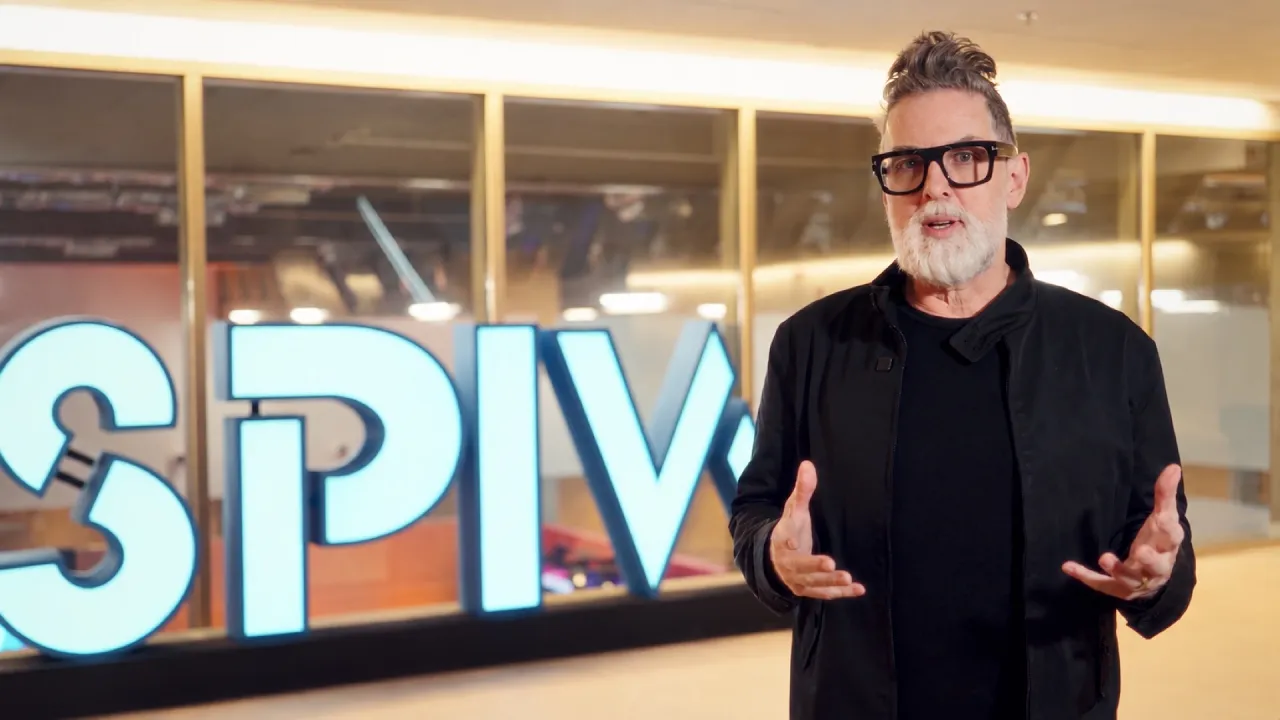
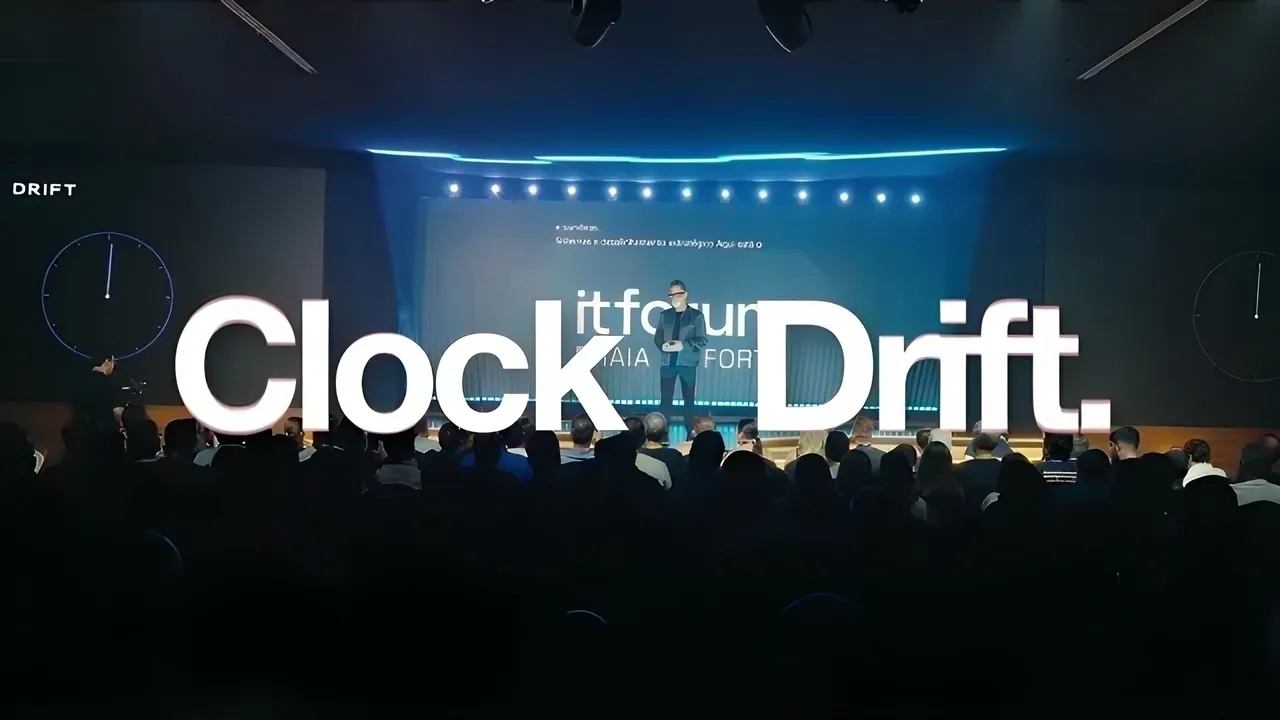
Neil Redding gave the opening keynote at Universo TOTVS 2025 in São Paulo, the annual event of Brazilian software company TOTVS, on the near future of business with AI agents. Businesses tuned like machines for efficiency have been hit by wave after wave of disruption, from COVID to the 2022 energy realignment to this year’s trade volatility. Neil argues the way through is participation: making AI an active participant in the work, not a tool. He traces AI’s path from something we prompt, to something that participates, to something we can delegate to, to something that initiates, and shows what that means for ERP, supply chains and physical operations.
Take the playbook with you.
The talk was the start of a conversation, not the end of one. This is how you carry it into the week — three principles, three practices, and one shift in how you lead when AI becomes a participant rather than a tool.
Here are the AI-generated notes.
Here’s how to bring this thinking into your organization.
Participation
Participation is the shift from AI as a tool you command to AI as an active participant in your work. Neil calls it the key to resilience in natural ecosystems, to belonging for people and teams, and to unlocking AI’s full potential in a business. Leaders build it by giving AI context and inviting it into strategic work, not just tasks.
Prompt, participate, delegate, initiate
Neil’s stages of AI’s evolution, each building on the last. Prompt: AI waits for a human instruction. Participate: AI joins the work, suggesting, critiquing and noticing. Delegate: AI takes a brief and runs with it. Initiate: AI perceives and acts on its own. Knowing which stage a use case sits in tells you how much trust, oversight and iteration it needs.
Mental model, narrative, practical actions
To keep up with the fire hose of new AI capabilities, leaders need three things: a relevant mental model of where AI is heading, a resonant narrative of the future they want to create, and practical everyday actions that build their working relationship with AI.
Connecting the possible with the practical
Near futurism starts with a business’s current state (brand, business model, goals, challenges), scans what emerging technology makes newly possible, and uses AI to match the two, then pilots and learns. The overlap between possible and practical is where business transformation happens.
Questions leaders ask about this
What does it mean for AI to participate?
What are the stages of AI’s evolution Neil describes?
How many companies use AI in their core operations?
What does AI mean for ERP?
Where should a leader start?

About Neil
Neil Redding is The Near Futurist™, helping leaders turn emerging technology into practical business value. He founded Redding Futures after building Near Future practices at Gensler and Thoughtworks, and has keynoted SXSW, the Dubai Future Forum, and events for Meta and Microsoft.