
Austin, Texas
SXSW 2026
Orchestrate or Obsolete: Leading the AI-Powered Near Future


What this talk is about
AI can now execute faster than most companies can decide. Neil Redding calls that gap Clock Drift, and for the founders, creators, and builders at SXSW it isn’t a big-company problem; it affects everyone shipping work with AI on their laptop. The shift underneath is from tool to participant. When AI reasons, the ceiling on outcomes becomes the quality of your intent, your context, and your framing, and leadership becomes orchestration: tracking capabilities, evaluating outcomes, reallocating responsibility, and retuning how humans and agents work together. In this new mode, everyone leads, whether you’re leading many people or no people and just agents.
Take the playbook with you.
The talk was the start of a conversation, not the end of one. This is how you carry it into the week — three principles, three practices, and one shift in how you lead when AI becomes a participant rather than a tool.
For the leaders at SPIW: the participant shift is already changing how innovative teams decide and move.
Here are the AI-generated notes.
These notes were generated from the session transcript. Speaker names, product names, and figures are as spoken; a few likely transcription artifacts are flagged at the end.
One Sentence Takeaway
For the leaders at SXSW: AI as participant expands the possible, dynamics determine the practical, and leadership is the orchestration of participant dynamics.
Summary
At SXSW 2026 in Austin, Neil Redding names what broke: not your strategy, your speed. Work still moves through specs, reviews, and committees while AI-enabled work on every employee’s laptop runs at a different tempo, and he gives the gap a name: Clock Drift, when AI can execute faster than you and your company can make decisions. It isn’t only a big-company problem, and when execution outruns decision-making, the answer isn’t tighter control; it’s a different kind of leadership. The underlying shift is from tool to participant, and the one-word difference is reasoning: tools do tasks, participants co-create outcomes. A show of hands on two Q2-sales prompts shows the room already making that shift, and Neil’s own examples range from ChatGPT Pulse surfacing signals in his morning feed to Claude inside PowerPoint reviewing the very slide he’s presenting. AI rises to our level: Anthropic’s Economic Index found the sophistication of human prompts and AI responses nearly perfectly correlated, so the ceiling is the quality of our intent, framing, and context. Interactions compound into dynamics, which Neil shows by building his company’s context layer live with Claude Code, including the moment it pushes back on his design and proposes the aggregated landscape that becomes round two. Proprietary context is your only moat as models commodify everything else, which makes context engineering, or relationship engineering, the top priority for every business in 2026. Humans are shifting from mostly doers to mostly deciders, and while 84% of companies haven’t redesigned a single job around new AI capabilities, this room is the 16%. The leadership model is orchestration, demonstrated live on an orchestration dashboard as a model upgrade triggers the full cycle: track, evaluate, reallocate, retune. And because orchestration expands what a business can become, it takes on one of the hardest problems in business leadership, the innovator’s dilemma: the real risk is not moving too slowly but optimizing a business model the future no longer needs.
Key Ideas
Clock Drift is an operating-model problem, and it’s everyone’s
Your best people can build a working tool in an afternoon, then wait weeks for the idea to be approved. Neil defines Clock Drift as AI executing faster than the company can decide, stresses that it comes from organizations failing to move with AI, and notes it isn’t just a big-company problem. It’s existential because it turns the operating model into an attack surface, and the fix is not tighter control but a different kind of leadership.
Tools do tasks; participants co-create outcomes
Last year, learning to prompt was enough to stay competitive. Reasoning, one of 2025’s biggest capability unlocks, changed the relationship: the moment AI reasons rather than just responding to commands, it becomes a participant. Participant framing brings the goal, the constraints, and what can’t break, and participants govern the potential of the system. Neil’s examples run from a reasoning prompt on Q2 sales data to ChatGPT Pulse in his morning feed to Claude in PowerPoint weighing in on this keynote.
AI rises to our level
Anthropic’s Economic Index report from January found that how humans prompt is how Claude responds, with the education levels of prompts and responses nearly perfectly correlated. The ceiling is not AI’s capability; it’s the quality of the intent, framing, and context we provide, which is why upgrading the interaction matters more than upgrading the model.
Interactions compound into dynamics
The nature of the interactions in any system determines the nature of the outcomes. Same company, same strategy, same AI: a traditional report-and-committee loop misses signals over weeks, while briefed intent with continuously surfaced live options converges faster with less rework. As patterns compound, systems go from discrete to cumulative, prompted to reciprocal, planned to emergent, with Matt Schumer’s February 10th viral article and GPT-5.3 Codex, the first model instrumental in creating itself, as the markers, and METR’s data showing the inflection in long-horizon work.
Context is the moat, and context engineering is 2026’s priority
What’s driving the jump in sustained autonomous work is mostly context: models hold vastly more and reason over it longer with fewer errors. What differentiates a business is its proprietary context, and agents without complete, accurate context hallucinate or act against operating procedures and customer commitments. Neil builds his context layer live with Claude Code, five types of context from documents to voice notes, then reframes context engineering as relationship engineering, worked across context coherence, trust and delegation, guardrails and governance, and optimal human review.
Doers to deciders, orchestration, and the innovator’s dilemma
Deloitte finds 84% of companies haven’t redesigned a single job around new AI capabilities; this room is the 16%. The entry practice is delegate first, as OpenAI committed to agent-first work across its whole business. Platforms orchestrate agents, but when humans and AI share workflows, orchestration is how you lead the entire system, shown live on the dashboard as an upgraded research agent takes two tasks from a human analyst. And orchestration doesn’t just run the business better; it expands what the business can become, allocating real capacity to exploration, which is the innovator’s dilemma that leaders have fought for decades.
Notable moments:
A show of hands on two prompts: lots of hands for the task prompt, most of the room for the participant prompt, and Neil level-sets that this audience is already making the shift.
Claude, inside PowerPoint, reviews the keynote’s own framing for this room, noting that the South By crowd skews creator, founder, and design, and calls Clock Drift “a strong reframe” that should land if it’s established and illustrated.
During the live build, Claude Code answers Neil’s scaling challenge with “Good challenge,” names the core tension, and proposes the aggregated landscape with drill-down layers that becomes round two of the context layer.
Neil opens by greeting the Brazilian friends he spots in the room, a nod to the following that keeps showing up at his talks.
In Neil’s words:
“AI can now execute faster than you and your company can make decisions.”
“If your organization can’t decide at the speed of this execution, someone else will execute your strategy before you can even approve it.”
“Leadership is the orchestration of participant dynamics. That’s the shift.”
Here’s how to bring this thinking into your organization.
Clock Drift
Clock Drift is the gap between how fast AI can execute and how fast an organization can decide. AI now acts in seconds while many companies still decide in weeks. The wider the drift, the more a business exposes itself to shadow systems, missed openings, and strategic misalignment.
AI as a participant, not a tool
Treating AI as a tool limits you to what you already know to ask for. Treating it as a participant engages its reasoning, its context, and what emerges between you. The ceiling on the outcome is no longer the model’s capability. It’s the quality of your intent, your context, and your framing.
Orchestration
Orchestration is the leader’s new core work: setting intent, tracking evolving capabilities, evaluating outcomes, reallocating responsibility, and retuning the patterns as conditions change. The shift is from managing people alone to conducting a system of human and AI participants together.
Questions leaders ask about this
What is Clock Drift?
What does it mean to treat AI as a participant instead of a tool?
Does orchestration apply if I don’t lead a team?
How does this change the innovator’s dilemma?
What does delegate first mean?
Will AI replace leadership?
What's the first thing to do on Monday?

About Neil
Neil Redding is The Near Futurist™, helping leaders turn emerging technology into practical business value. He founded Redding Futures after building Near Future practices at Gensler and Thoughtworks, and has keynoted SXSW, the Dubai Future Forum, and events for Meta and Microsoft.
Recent events
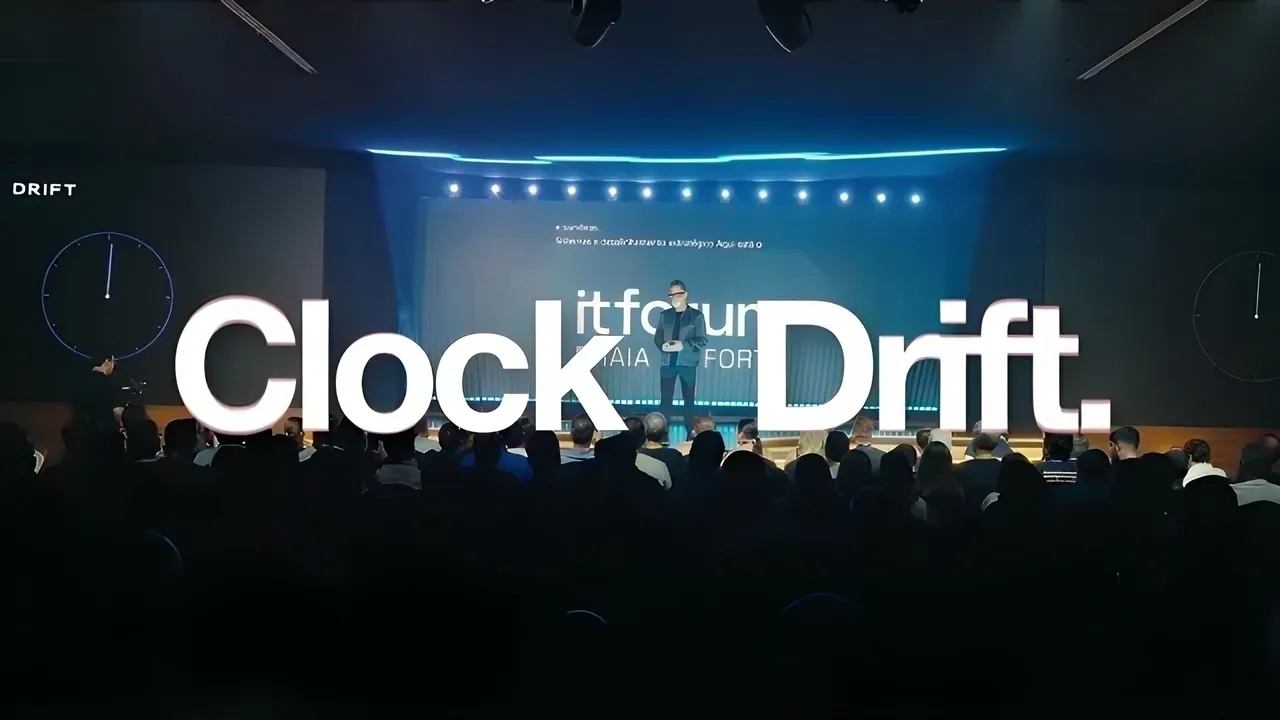
ITForum CIO Summit 2026
Neil addresses the Top CIOs in Brazil
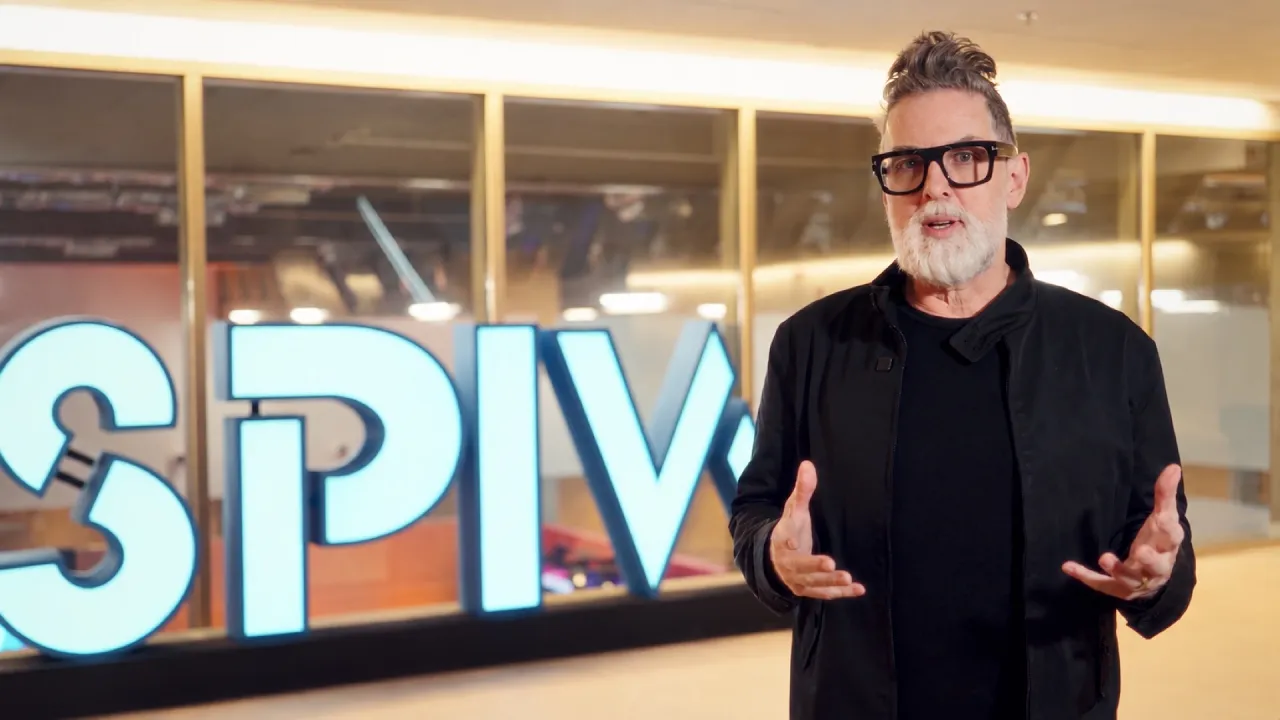
SPIW 2026 highlights
Neil at São Paulo Innovation Week 2026
SXSW 2026 summary
Neil's extensive SXSW 2026 participation.

Agentic AI Keyshop for Business Leaders
Neil leads an Agentic AI keyshop to 40 business leaders across diverse industries.

RD Summit 2025 Summary
Neil delivers the keynote at the largest marketing and sales event in LATAM.

Saúde Business Forum 2025 Summary
Neil delivers the opening keynote at the leading C-suite gathering in the Brazilian Healthcare industry, with many video testimonials.

Rio Innovation Week 2025 summary
Neil delivers the closing keynote as well as additional panels at Rio Innovation Week 2025, one of the largest innovation gatherings in the world.

AI Agents Keyshop for the C-Suite
Neil leads an Agentic AI keyshop (highly interactive, actionable keynote) for 20 C-levels across leading Brazilian and global companies.

Universo TOTVS 2025 summary
Summary of Neil's participation at the annual gathering of TOTVS, the technology company that powers 25% of Brazilian GDP.

SXSW 2025 summary
Highlights of Neil's SXSW 2025 activity
Recent events
ITForum CIO Summit 2026
Neil addresses the Top CIOs in Brazil
SPIW 2026 highlights
Neil at São Paulo Innovation Week 2026
SXSW 2026 summary
Neil's extensive SXSW 2026 participation.
Agentic AI Keyshop for Business Leaders
Neil leads an Agentic AI keyshop to 40 business leaders across diverse industries.
RD Summit 2025 Summary
Neil delivers the keynote at the largest marketing and sales event in LATAM.
Saúde Business Forum 2025 Summary
Neil delivers the opening keynote at the leading C-suite gathering in the Brazilian Healthcare industry, with many video testimonials.
Rio Innovation Week 2025 summary
Neil delivers the closing keynote as well as additional panels at Rio Innovation Week 2025, one of the largest innovation gatherings in the world.
AI Agents Keyshop for the C-Suite
Neil leads an Agentic AI keyshop (highly interactive, actionable keynote) for 20 C-levels across leading Brazilian and global companies.
Universo TOTVS 2025 summary
Summary of Neil's participation at the annual gathering of TOTVS, the technology company that powers 25% of Brazilian GDP.
SXSW 2025 summary
Highlights of Neil's SXSW 2025 activity