Austin

SXSW 2025

The Auto-Evolving Business: AI’s Agentic Near Future

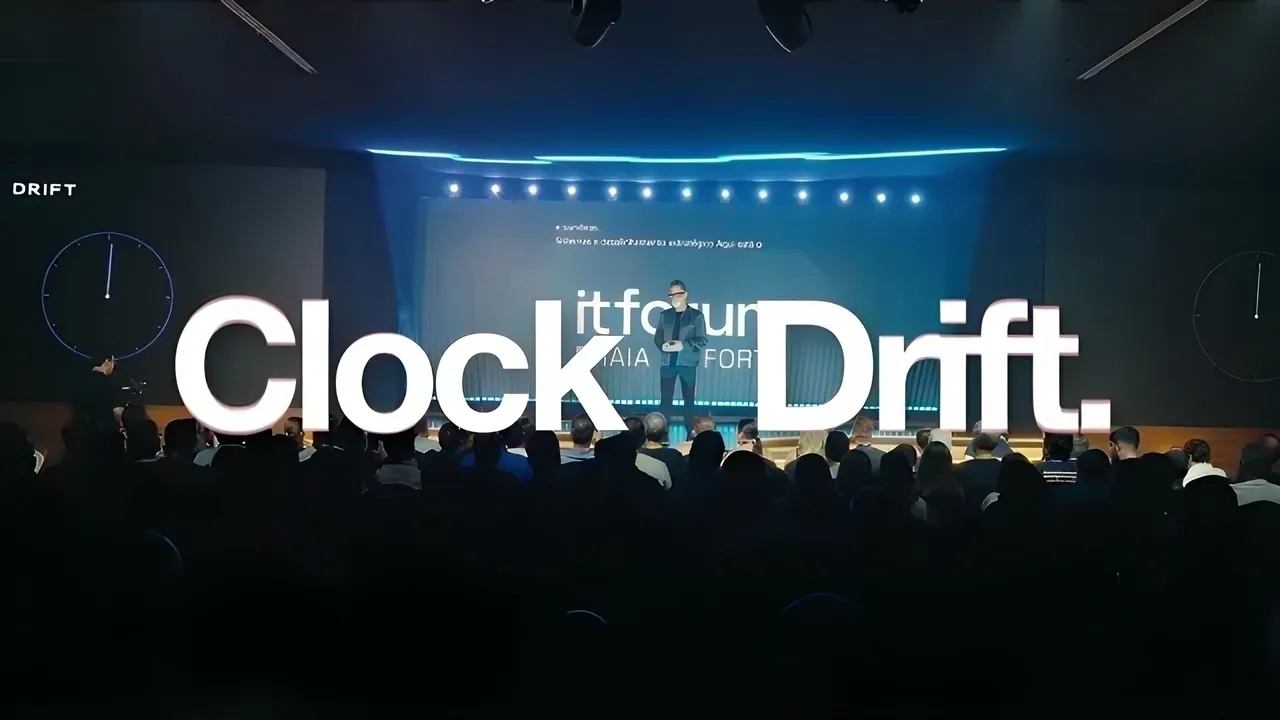
Neil Redding delivers his Clock Drift keynote at the BIG BANG KI Festival in Berlin, beside a slide calling Clock Drift an existential problem that turns the operating model into an attack surface.

What this talk is about

At SXSW 2025 in Austin, Neil Redding gave a featured session on where AI is taking business and what leaders can do about it now. Most companies still run like well-oiled machines, built for predictability and managed top down, and that model is too rigid for a world that changes every week. Neil’s answer is participation: treat AI as an active participant in your work rather than a tool you prompt. He traces AI’s path from something we prompt, to something that participates, to something we can delegate to, to something that initiates on its own, with live examples from his own practice, and shows how near futurism connects what’s newly possible with what’s practical for a business today.

Take the playbook with you.

The talk was the start of a conversation, not the end of one. This is how you carry it into the week — three principles, three practices, and one shift in how you lead when AI becomes a participant rather than a tool.

By signing up you’ll also receive occasional updates on orchestration and AI-enabled leadership. You can unsubscribe anytime.

It’s yours.

I’ve also sent it to your email, along with one quick question.

Here are the AI-generated notes.

These notes were generated from the session transcript, including the audience Q&A. Product names and figures are as spoken.

One Sentence Takeaway

Businesses built like machines can’t keep up with AI; the ones that thrive will make AI an active participant in their work, learn what it’s like to delegate to it, and prepare for AI that initiates on its own.

Summary

Neil Redding opens his SXSW 2025 featured session with a story about morel mushrooms, which fruit in the greatest numbers where a forest burned the year before and help it recover. The point: resilience comes from an ecosystem of participants, not from top-down control. Most businesses still run like well-oiled machines, tuned for efficiency and predictability, and Neil uses return-to-office mandates to show what happens when a system not designed for change is forced to change. Participation, he argues, is the key for people, for teams and for AI. Citing Peter Diamandis’s claim that by 2030 there will be two kinds of companies, those fully using AI and those out of business, he notes that many executives are waiting for consultancies to show them the way, though no one has yet run an AI-driven business. Neil framed the talk with a biological metaphor of AI as a fast-evolving species and walked through its evolution in stages: prompt, participate, delegate and initiate. Each comes with live examples from his own work: ChatGPT reflecting back the impact he wants his talk to have, a daily 8am suggestion from ChatGPT Tasks, a reasoning model critiquing his framework diagram, the ChatGPT mobile app recognizing his Apple Vision Pro, an app he vibe-coded with Claude that morning, and deep research reports he had to push back on, as you would with an intern. He closes on physical AI, from NVIDIA’s digital twins to Meta’s research glasses, the idea that reality is participatory, and near futurism: connecting the emerging possible with the immediately practical.

Key Ideas

Machines can’t adapt; ecosystems can

Businesses built for predictability, managed top down and tuned for efficiency are too rigid and too slow for 2025. Neil points to return-to-office mandates: a Gartner study he cites found nearly three-quarters of HR leaders said the mandates created more conflict, and a third of companies saw belonging scores fall. Nature shows the alternative: decentralized participation, with no central control, that adapts in real time.

Participation is the mindset to leave with

“If you take nothing else away from this talk, I want you to take this away.” Participation means AI joining your work rather than waiting for a command. Neil’s examples are deliberately simple, from a scheduled daily suggestion to a model critiquing his framework diagram for a senior executive audience. The payoff goes beyond execution: AI that participates in strategic work makes you a better thinker and communicator.

Delegation is where the agentic era begins

You can only delegate to someone or something that can take a brief and run with it. Early 2025 agents that use a computer weren’t yet reliable, and deep research needed pushing: Neil’s first Perplexity report on business uses of XR leaned on hardware makers’ marketing, and only after he asked for credible analyst sources did he get a grounded, nuanced report. Treat AI like a capable new hire: expect to iterate, and learn where the limits are.

AI that initiates is already here, unevenly

In the initiate stage, AI perceives and acts on its own. Finance has used it since around 2000 for algorithmic trading and portfolio rebalancing, and social media algorithms have long predicted and shaped behavior. It’s now reaching everyday work, from email apps that draft replies in your voice to chief-of-staff functions like decision briefings and board presentations, and autonomous agents with large followings on X.

AI is moving into the physical world

For AI to participate fully, it needs access to the physical world. Neil shows NVIDIA’s vision of factories with digital twins that robots use to reason about their next move, the rise of humanoid robots, Meta’s Project Aria Gen 2 and Orion glasses, and AI placing personalized content in 3D space in a grocery store, work his team did by hand only a year earlier.

Near futurism connects the possible with the practical

Foresight talks often show what’s possible but far from practical. Near futurism starts from a business’s current state, scans what emerging technology makes newly possible, and uses AI to match the two, then pilots and learns. That overlap is where business transformation happens.

Notable moments:

  • Asked who has experienced AI as a great thought partner, almost the whole room raises a hand.

  • In a recorded exchange, Neil asks ChatGPT whether his Apple Vision Pro might be a pair of ski goggles, and it holds its ground.

  • Neil vibe-coded an app with Claude the morning of the talk: it finds three new AI capabilities each week and connects them to a financial services business.

  • In the Q&A, Neil says autonomous businesses are essentially here already, pointing to a friend who runs one.

In Neil’s words:

  • “You need to know and understand humans to run a business of humans. And you need to know and understand AI to run an AI-driven business.”

  • “Participation is the key.”

  • “By having AI participate in your strategic work, it’s not just helping you execute, right? It’s making you a better thinker, better communicator.”

  • “Near futurism is connecting the possible with the practical, ’cause it’s where these two overlap that the real magic happens.”

Here’s how to bring this thinking into your organization.

Participation

Participation is the shift from AI as a tool you command to AI as an active participant in your work. Neil calls it the key to resilience in natural ecosystems, to belonging for people and teams, and to unlocking AI’s full potential in a business. Leaders build it by giving AI context and inviting it into strategic work, not just tasks.

Prompt, participate, delegate, initiate

Neil’s stages of AI’s evolution, each building on the last. Prompt: AI waits for a human instruction. Participate: AI joins the work, suggesting, critiquing and noticing. Delegate: AI takes a brief and runs with it. Initiate: AI perceives and acts on its own. Knowing which stage a use case sits in tells you how much trust, oversight and iteration it needs.

Mental model, narrative, practical actions

To keep up with the fire hose of new AI capabilities, leaders need three things: a relevant mental model of where AI is heading, a resonant narrative of the future they want to create, and practical everyday actions that build their working relationship with AI.

Connecting the possible with the practical

Near futurism starts with a business’s current state (brand, business model, goals, challenges), scans what emerging technology makes newly possible, and uses AI to match the two, then pilots and learns. The overlap between possible and practical is where business transformation happens.

Questions leaders ask about this

What does it mean for AI to participate?

What are the stages of AI’s evolution Neil describes?

Who is accountable when an AI-driven decision goes wrong?

Will AI run companies without human intervention?

When will agentic AI become mainstream?

About Neil

Neil Redding is The Near Futurist™, helping leaders turn emerging technology into practical business value. He founded Redding Futures after building Near Future practices at Gensler and Thoughtworks, and has keynoted SXSW, the Dubai Future Forum, and events for Meta and Microsoft.
Recent events

ITForum CIO Summit 2026

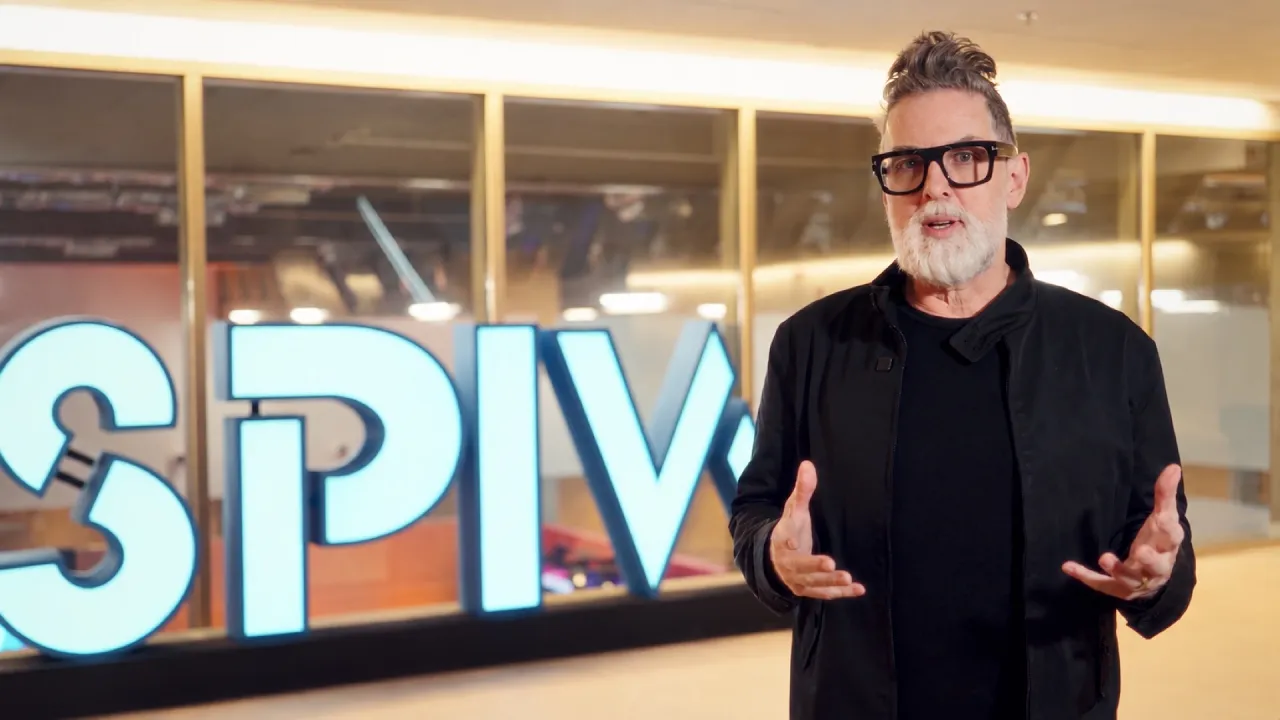
Neil addresses the Top CIOs in Brazil

SPIW 2026 highlights

Neil at São Paulo Innovation Week 2026

SXSW 2026 summary

Neil's extensive SXSW 2026 participation.

Agentic AI Keyshop for Business Leaders

Neil leads an Agentic AI keyshop to 40 business leaders across diverse industries.

RD Summit 2025 Summary

Neil delivers the keynote at the largest marketing and sales event in LATAM.

Saúde Business Forum 2025 Summary

Neil delivers the opening keynote at the leading C-suite gathering in the Brazilian Healthcare industry, with many video testimonials.

Rio Innovation Week 2025 summary

Neil delivers the closing keynote as well as additional panels at Rio Innovation Week 2025, one of the largest innovation gatherings in the world.

AI Agents Keyshop for the C-Suite

Neil leads an Agentic AI keyshop (highly interactive, actionable keynote) for 20 C-levels across leading Brazilian and global companies.

Universo TOTVS 2025 summary

Summary of Neil's participation at the annual gathering of TOTVS, the technology company that powers 25% of Brazilian GDP.

SXSW 2025 summary

Highlights of Neil's SXSW 2025 activity

© 2026 Neil Redding. All Rights Reserved.

© 2026 Neil Redding. All Rights Reserved.

© 2026 Neil Redding. All Rights Reserved.